 | |
| Compiled by: Karel van der Waarde 2024 | |
| | |
| |
| | |
| Colofon & notes | |
|
|
User involvement

Hyysalo S, Johnson M. (2024) ‘Making sense of
methods and approaches to user involvement’. The Design Journal. 27(4), 580-608. [DOI].
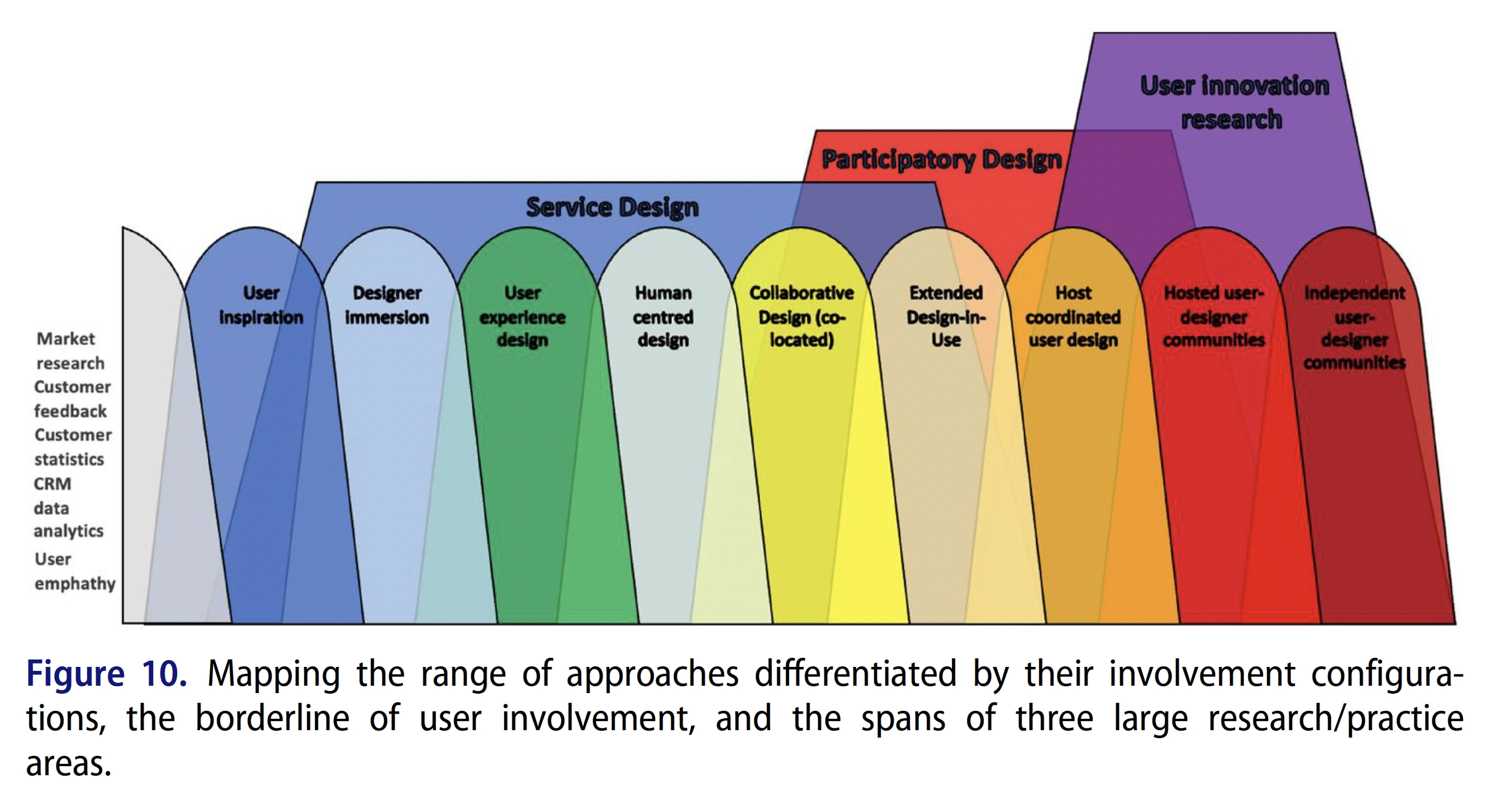
Summary: A categorisation of user involvement methods.
Comment: An overview and discussion of designer-user relations.
Pedersen JTS, Manhice H. (2020) ‘The hidden dynamics of household waste separation: An anthropological analysis of user commitment, barriers, and the gaps between a waste system and its users’. Journal of Cleaner Production. 242, 116285. [DOI].
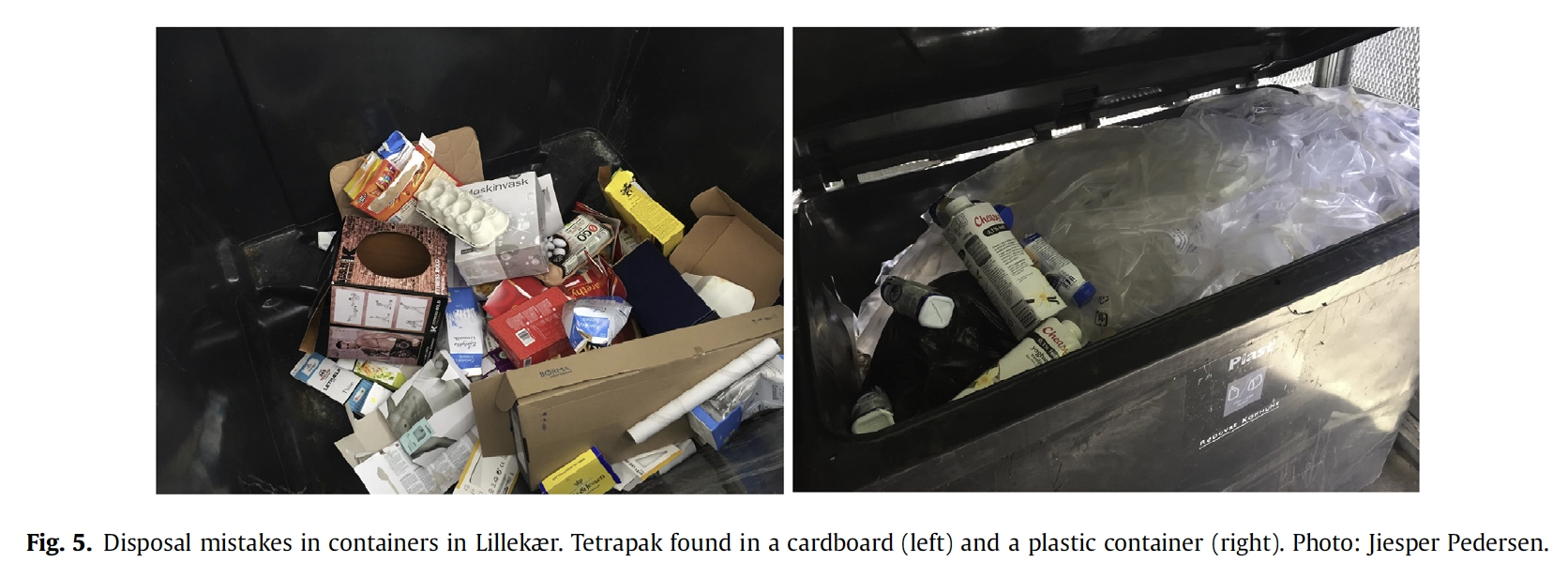
Aim of visuals: This study did not look specifically at the labels.
People: Ten home visits, informal interviews, waste composition survey, user survey for 455 households.
Method: Anthropological case study in five apartment buildings in the Copenhagen area, Denmark, analyzing the relationship between the local municipal waste system and its users.
Effect of visuals:
Suggestions for design: Around 50% of the approached residents complained about lack of space or wished to get a space-reducing storage system in their kitchen.
Suggestions for policy: This paper suggests that implementation of waste separation needs to be addressed as the implementation of an additional household routine, which needs to fit into the existing network of household routines rather than the implementation of a single standing behavior.
Comment: Very good approach: participatory method, field observations.
Rousta K, Bolton K, Dahlén L. (2016) ‘A Procedure to Transform Recycling Behavior for Source Separation of Household Waste’. Recycling. 1, 147–165. [DOI].
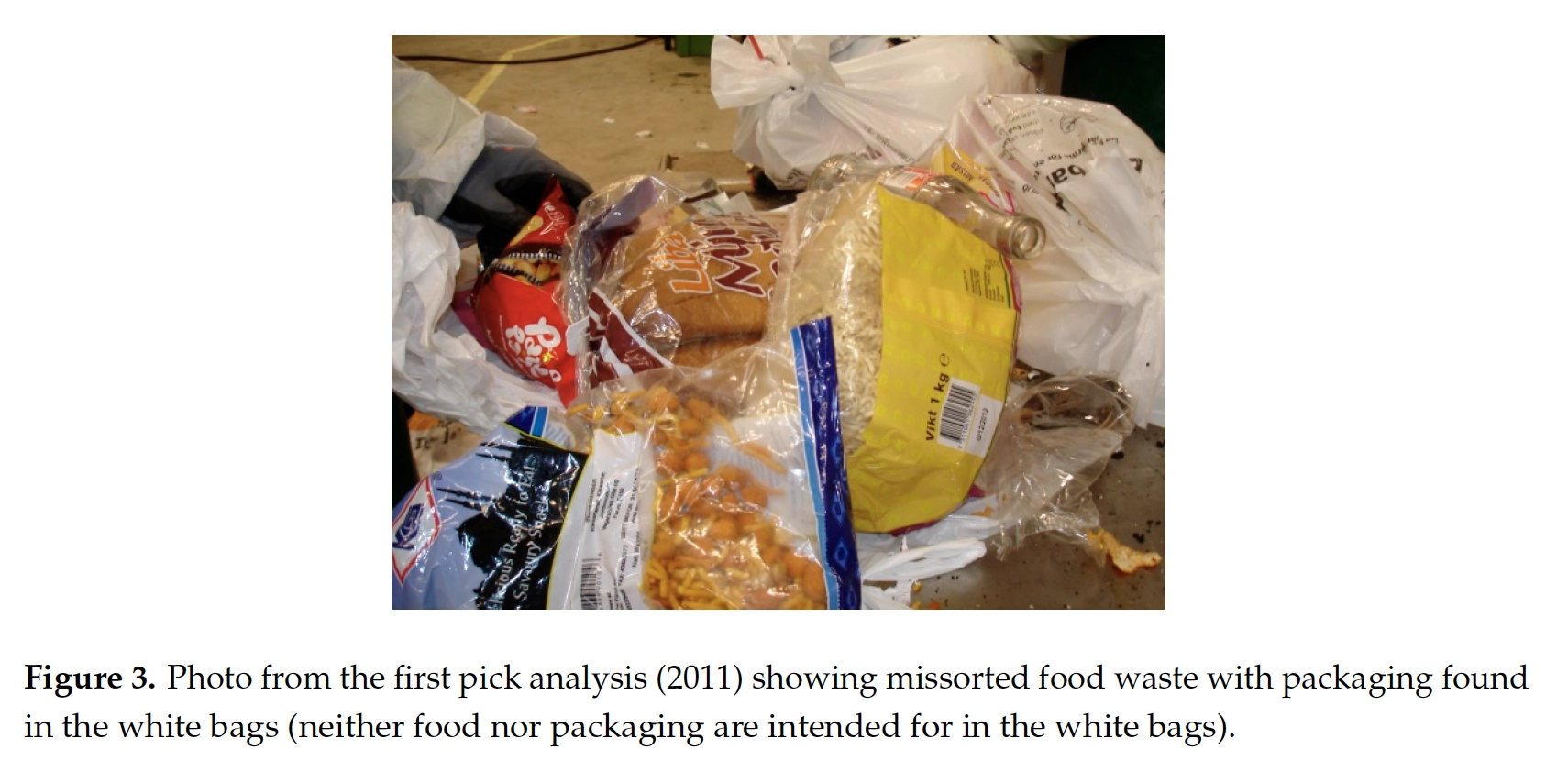
Aim of visuals: This article outlines an approach to ‘recycling behaviour transition’.
People: 8 semi-structured interviews. 50 structured interviews.
Method: semi-structured interviews + pick analysis + structured interviews. This procedure follows action research methodology and it is the first time that such a procedure has been developed and implemented for the sorting of household waste.
Effect of visuals: Three interventions: stickers on trash-bags, location of collection bins, pictures on containeres + written information + thank-you letter.
Suggestions for design: - (the article does not mention labels or design).
Suggestions for policy: -
Comment: ‘The RBT procedure focuses on user involvement in waste management systems’ (page 163). One of the very few studies that uses ‘missorting ratios before and after the interventions’.